Acrylic Two-Pack Paint: The Complete Guide
What 2K acrylic paint is, how the cross-linking chemistry works, and why it is the industry-standard coating system for commercial metalwork and facade elements.
Read ArticleEvery external coating on a commercial building will eventually fade, but why it fades, how quickly it fades, and what can be done about it are questions that matter enormously to building owners and facilities managers. This guide explains the science of paint fading, the surfaces most at risk, and how professional recoating restores appearance and protection.
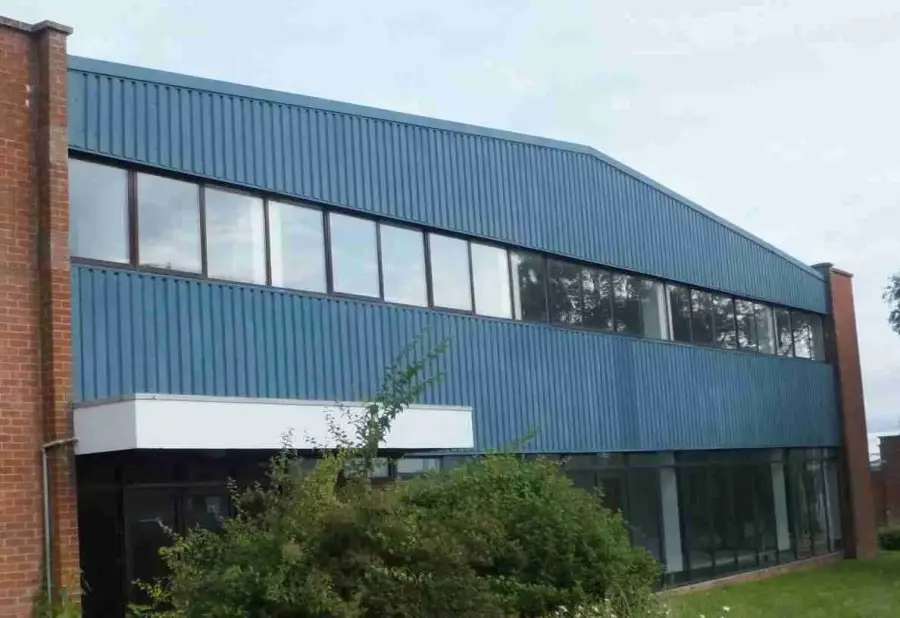
Walk around any large commercial building that has not been recoated in the past decade and you will likely see the evidence: metal window frames that were once a consistent dark grey now show distinct variation in colour between sheltered and exposed areas; cladding panels that were deep anthracite at installation now look bleached and uneven; shopfronts that were once a consistent brand colour now look washed out and faded.
This progressive colour and appearance loss is not a failure of the original coating in any simple sense, it is an inevitable consequence of UV radiation, atmospheric exposure, and time. Understanding why it happens is the first step to managing it intelligently.
The technical term for paint fading is photodegradation, the breakdown of a material through the action of light, specifically the ultraviolet component of sunlight.
A paint or coating system is not a single material. It is a formulated mixture of pigments (which provide colour and opacity), a binder or resin (the polymer matrix that holds the pigment and adheres to the substrate), and various additives. When the coating is applied and dries, the binder forms a continuous film that encapsulates the pigment particles, protecting them from direct exposure to the elements and binding them to the surface.
UV radiation attacks the polymer chains in the binder through a process called photo-oxidation. The high-energy photons in UV light have sufficient energy to break the chemical bonds in the polymer backbone. Over time, measured in years rather than months for a quality commercial coating, this progressive bond-breaking degrades the binder, thinning it, reducing its elasticity, and diminishing its protective capacity. As the binder degrades at the surface, the pigment particles it was holding are progressively exposed.
The visible results are familiar:
While photodegradation is the underlying mechanism, several factors influence how quickly it manifests and how severely:
The primary driver of binder degradation. UV intensity in the UK varies significantly by latitude, time of year, and local cloud cover, but even in overcast conditions, UV radiation reaches surfaces. South-facing elevations receive the most cumulative UV loading over the building's life. Areas receiving reflected UV from glazed surfaces or light-coloured paving can receive higher-than-expected UV doses.
Water accelerates photodegradation and contributes independently to coating failure. Repeated wet/dry cycles cause the coating to swell and contract, stressing the binder structure. Freeze-thaw cycling in winter can initiate micro-cracking in already UV-degraded coatings. Acid rain and atmospheric pollutants attack the coating surface chemically, accelerating the breakdown of both binder and pigment.
Not all pigments are equal in their resistance to UV. Red organic pigments have poor lightfastness ratings, they break down significantly faster under UV than inorganic pigments such as titanium dioxide (white) or carbon black. Saturated, bright colours are generally less UV-stable than neutral tones. The specific pigment chemistry in a coating formulation is a key determinant of its real-world colour retention performance.
The quality and type of binder resin determines how well the coating resists UV degradation. Premium 2K acrylic systems for commercial metalwork contain UV-stabiliser additives and high quality acrylic resins that significantly outperform single-pack paints in UV resistance and service life. Inferior coatings may look identical at application but fail far sooner under the same conditions. Correct specification for the substrate and environment is critical.
A coating applied at below the specified dry film thickness will fail sooner than one applied correctly. Thin coatings degrade through more quickly because there is less material to sacrifice before the substrate is exposed. Poor surface preparation, inadequate cleaning, insufficient mechanical key, or skipped primer coats, also reduces adhesion and service life. The quality of application is as important as the quality of the coating specified.
Commercial buildings in urban environments are exposed to sulphur dioxide, nitrogen oxides, particulate matter, and other pollutants that are not present in rural locations. These pollutants attack both pigments and binders chemically, accelerating degradation rates. Buildings near industrial processes, heavy traffic routes, or coastal locations (salt exposure) typically see shorter coating service lives than those in low-pollution environments.
Paint fading can affect any externally painted surface, but certain building materials and surface types are more regularly affected and present particular challenges:
Curtain wall sections, aluminium windows, and glazing frames on commercial buildings receive some of the highest UV and weathering exposure on any building, particularly on south and west elevations. The original powder coating or factory paint finish on aluminium extrusions has a finite service life, and recoating on-site using a compatible 2K acrylic system is the standard maintenance approach. Colour inconsistency between facade sections, as some areas fade faster than others, is a common driver of recoating enquiries.
Large-format metal cladding panels on warehouses, industrial units, and commercial buildings present significant surface areas to UV exposure. Factory coatings, plastisol, polyester, or PVF2, all have finite service lives and eventually chalk and fade. Cladding on south and west elevations typically shows more advanced fading than north-facing sections, creating an uneven appearance even on relatively young buildings. Recoating restores colour consistency and applies a fresh protective layer compatible with the original factory system.
Roller shutters on retail and commercial premises are typically painted with a single-pack or basic two-pack system at installation. High UV exposure on south-facing premises, combined with the physical wear of daily operation, means shutters often fade and look worn well before the mechanism requires replacement. On-site recoating refreshes the appearance and restores corrosion protection.
The front elevation of a commercial property is a primary brand expression. Faded or uneven paint on a shopfront or fascia board undermines the professional impression a business creates, and on branded retail premises, maintaining consistent colour is particularly important. Recoating is straightforward and far less expensive than replacing the structure.
Guttering, downpipes, and external steelwork are often overlooked until they become severely deteriorated. These elements receive direct weathering exposure and are often painted with basic systems that are not specified for long-term exterior durability. Recoating with a purpose-formulated coating before rust becomes established is significantly less costly than treating active corrosion.
Understanding where a coating is in its deterioration cycle helps determine the correct maintenance approach:
The first visible sign of UV degradation, the coating surface begins to scatter light rather than reflecting it evenly, reducing gloss. Colour may appear slightly duller. The binder is degrading at the surface but the coating is still structurally sound. No action is required at this stage, but inspection frequency should increase.
The coating binder has degraded sufficiently that pigment particles are loosely bound at the surface. Colour becomes noticeably less saturated, particularly on exposed elevations. A white chalky residue can be rubbed off the surface. This is the optimal maintenance window, the surface can be recoated with relatively straightforward preparation, producing a cost effective result.
The embrittled coating begins to develop surface cracking, fine crazing at first, progressing to more substantial splits as thermal movement cycles the cracked coating. Water infiltrates the cracks and begins to reach the substrate. Preparation requirements at this stage are more onerous and the cost of treatment increases. If metalwork beneath the coating is bare, rust may begin to form.
Large sections of the coating lift away from the substrate. Rust or substrate corrosion is often well-established by this stage. Mechanical removal of all loose coating is required before recoating can proceed. Treatment is still viable but significantly more expensive than if carried out at Stage 2. Structural damage to the substrate may be beginning.
The coating system specified at application determines how long a finish will retain its colour and appearance. Not all systems are equivalent:
| Coating system | Typical service life | UV resistance | Colour retention | Best suited for |
|---|---|---|---|---|
| 2K acrylic (two-pack) | 8–13 years | Excellent | Excellent | Commercial metalwork, aluminium windows, shopfronts |
| PVF2 / PVDF factory coating | 10–15+ years | Excellent | Very good | Factory-applied to cladding, not suitable for on-site application |
| Polyester powder coating | 5–10 years | Good | Good | Factory-applied, on-site repair with 2K acrylic |
| Single-pack acrylic | 4–7 years | Moderate | Moderate | Lower-specification work, interior metalwork |
| Alkyd (oil-based) | 3–6 years | Poor | Poor, yellows significantly | General ironmongery, not recommended for UV-exposed commercial metalwork |
Fading is inevitable, but the rate it happens at depends heavily on specification and maintenance decisions:
At Vanda Coatings, we specify non-isocyanate 2K acrylic coating systems for all commercial metalwork projects. These systems are formulated with quality acrylic resins and UV stabilisers that deliver an 8–13 year maintenance cycle under typical UK commercial conditions. All site surveys include a written coating specification with system data sheets, so clients know exactly what has been applied and what service life to expect.
The technical term is photodegradation. UV radiation attacks the binder resin in the coating, breaking down the polymer chains that hold the pigment in suspension. As the binder degrades, the pigment particles are no longer held securely at the surface, they become exposed and unprotected, producing the visible colour loss, chalking, and gloss reduction associated with faded paint. The rate of fading depends on UV exposure, coating quality, colour choice, and the specific conditions of the building's environment.
Chalking is the white powdery residue that forms on the surface of a UV-degraded coating. It occurs when the binder breaks down to the point that pigment particles are no longer held in the coating matrix, they accumulate at the surface and can be wiped away. Chalking is an important maintenance indicator: at this stage the coating has reached the end of its service life, but the substrate beneath is typically still sound and the surface can be recoated with straightforward preparation.
Red pigments are generally the least UV-stable and tend to fade faster than other colours, particularly organic reds. Bright yellows and oranges also lose colour more quickly under UV than neutral tones. Blues and grey shades are generally more stable. The formulation of the coating system matters significantly, a quality 2K acrylic system in a red shade will outperform a basic single-pack paint in a blue shade, all else being equal.
A professionally applied 2K acrylic system on properly prepared commercial metalwork can be expected to provide 8–13 years before recoating is required, depending on UV exposure, environmental conditions, and the specific system used. South-facing and highly exposed elevations will typically reach the end of their service life before sheltered or north-facing sections on the same building.
Yes, on-site recoating of faded commercial metalwork is a routine service that Vanda Coatings provides across the UK. Where the existing coating is still adhering soundly, the surface is cleaned, degreased, abraded to provide a mechanical key, and recoated with a compatible 2K acrylic system applied by airless or HVLP spray. This restores colour and applies a fresh protective layer, extending the substrate's service life by a further 8–13 years without removing or replacing the metalwork.
Yes, significantly. South-facing elevations in the UK receive the highest cumulative UV loading over the year and coatings on these faces typically fade first. North-facing elevations receive far less direct sunlight and coatings last longer, though they may experience more moisture-related deterioration. West-facing elevations receive afternoon sun with lower UV but higher thermal fluctuation. Any building survey should assess each elevation independently to identify the correct maintenance priorities.

Related articles on commercial coating performance and maintenance.
What 2K acrylic paint is, how the cross-linking chemistry works, and why it is the industry-standard coating system for commercial metalwork and facade elements.
Read ArticleHow UV degradation of factory coatings contributes to cut edge corrosion, and the correct professional treatment process for metal cladding on commercial buildings.
Read ArticleOur on-site cladding recoating service, full assessment, specification of the compatible coating system, and application by trained operatives with a documented guarantee.
View ServiceSee It In Practice
See how we recoated 1,800 m² of terne coated steel cladding at occupied office premises over a 10-day phased programme.
View Case StudyFree site surveys and quotes for commercial recoating projects across the UK. Our surveys include a written coating condition assessment, specification of the correct system, and a documented service life expectation.